
Table of Contents
- Hybrid Heating System Installation in California: Comfort and Efficiency for San Francisco Homes
- At a Glance: Hybrid Heating Installation
- Signs You May Need a Hybrid Heating System
- Our Hybrid Heating System Installation Process
- Choosing the Right Hybrid Setup for Your Home
- San Francisco Considerations for Hybrid Heating Installation
Hybrid Heating System Installation in California: Comfort and Efficiency for San Francisco Homes
Hybrid heating system installation in California combines a heat pump and a furnace to deliver both comfort and efficiency for San Francisco homes. San Francisco homeowners can also take advantage of federal and state financial incentives when they install qualifying systems. Throughout this guide, we’ll walk through the installation process and outline the available incentives to help you make an informed decision. Let’s start with a quick look at what hybrid heating installation entails.
Key Takeaways
- A hybrid heating system pairs an electric heat pump with a gas furnace, switching between them for optimal efficiency.
- Choosing the right hybrid heating configuration for your home in California means evaluating heat pump capabilities and rebate programs.
- Homeowners are wise to weigh local labor rates, city permit fees, and incentive programs: these variables define the final project cost.
- Labor rates for HVAC installation in the Bay Area range from $1,200 to $2,500.
- The mandatory city building permit and local labor costs play a direct role in shaping the installation schedule.
At a Glance: Hybrid Heating Installation
A hybrid heating system pairs an electric heat pump with a gas furnace, switching between them for optimal efficiency. This dual-fuel approach suits San Francisco’s mild coastal climate, delivering steady comfort and lower energy use throughout the year. We at San Francisco Expert HVAC recommend it for homeowners who notice signs their current setup is struggling to keep up.
Signs You May Need a Hybrid Heating System
Now that you understand how a hybrid system works, here are the signs it might be time for an upgrade in California.
- Rising winter energy bills: a hybrid system automatically picks the cheaper fuel, helping you regain control over your monthly expenses.
- Frequent furnace or heat pump repairs: sharing the heating load reduces strain on both systems, lowering the risk of future breakdowns.
- Uneven temperatures and cold spots: a hybrid’s dual-source operation provides consistent, whole-home warmth that eliminates those chill zones.
If any of these sounds familiar, exploring a hybrid system in California is a smart next step.
Our Hybrid Heating System Installation Process
Once you notice the signs that your heating system is struggling, our hybrid heating installation process begins with a thorough assessment. We start with a Manual J load calculation to determine the exact equipment size your home requires, ensuring optimal performance from day one. Next, we select a heat pump with epoxy-coated condenser coils, specially engineered to resist the corrosion caused by San Francisco’s salt-laden coastal air. Throughout the installation, we follow California Title 24 energy codes, which require high-efficiency equipment and proper sizing. Our certified technicians manage every detail, and professional labor typically comprises 40 to 55 percent of the total installation price, reflecting the specialized expertise needed for coastal installations. After the system is in place, we verify performance through extensive testing and confirm that you’re likely to see a 20 to 30 percent reduction in annual energy bills. This process ensures you have the information you need to choose the right hybrid configuration for your home.
Choosing the Right Hybrid Setup for Your Home
Choosing the right hybrid heating configuration for your home in California means evaluating heat pump capabilities and rebate programs.
Heat pumps provide heating and cooling in one unit, while central AC systems need a separate gas furnace for warmth.
To secure TECH Clean California rebates in 2026, your equipment must meet SEER 16 and HSPF 8.5 ratings, and a TECH-certified contractor holding a C-20 or C-38 license must perform the installation; the program applies only to existing single-family owner-occupied homes replacing an older system.
We perform a Manual J load calculation to ensure the right system size, and routine maintenance keeps energy savings high in San Francisco’s coastal climate.
San Francisco’s microclimates and licensing requirements make working with an experienced local contractor essential.
San Francisco Considerations for Hybrid Heating Installation
Homeowners are wise to weigh local labor rates, city permit fees, and incentive programs: these variables define the final project cost. We have served Bay Area families since 1997.
Labor typically ranges from $1,200 to $2,500, and city permit fees add another $200 to $500. Variable-speed technology is recommended to handle the city’s distinct microclimates, and high-efficiency hybrid systems can cut monthly utility expenses by 20 to 30 percent over time.
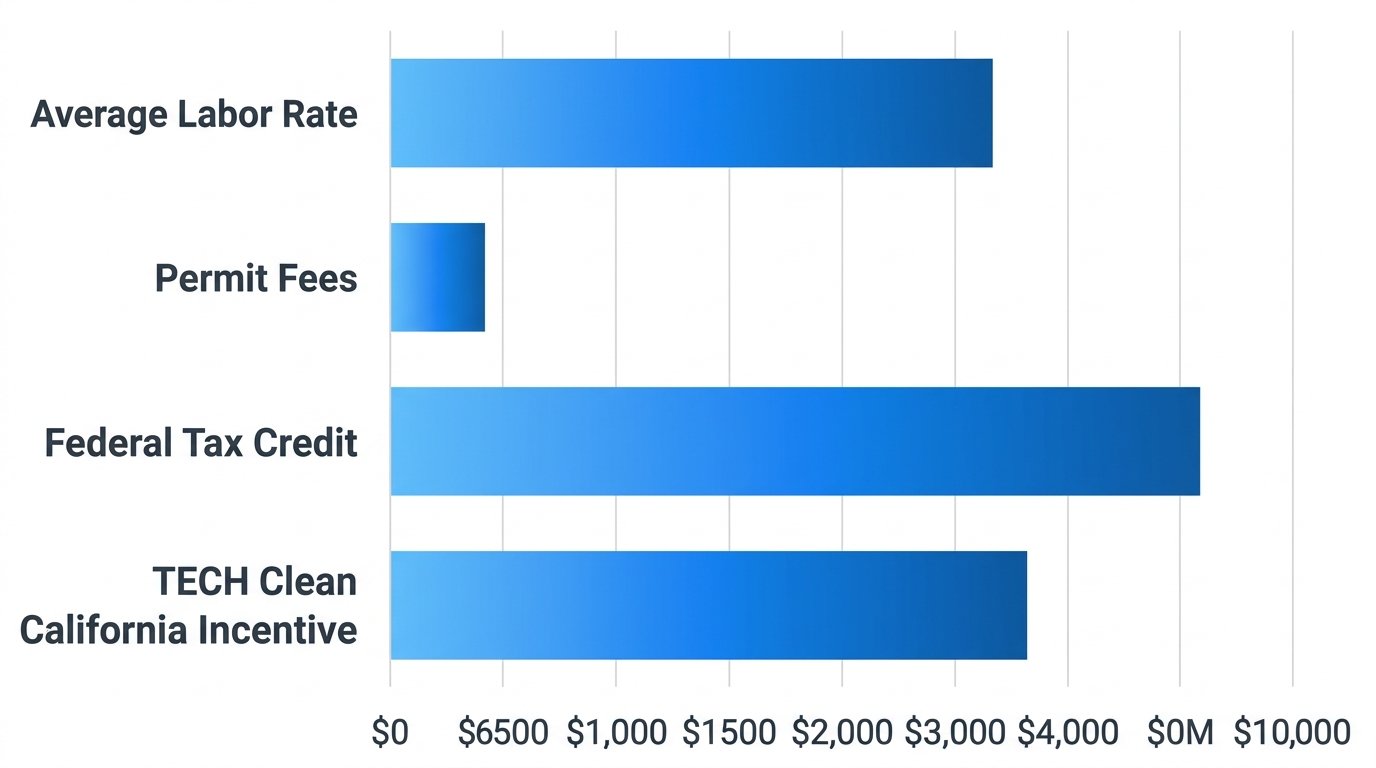
A federal tax credit provides 30% on Energy Star heat pumps, up to $2,000, and TECH Clean California offers up to $4,800 for income-qualified households. Understanding these local factors helps set realistic expectations for the overall investment.
Investment and Cost Factors for Hybrid Heating
Labor rates for HVAC installation in the Bay Area range from $1,200 to $2,500. San Francisco city permits add $200 to $500 to the total, with complex jobs reaching $600.
The federal government offers a 30% tax credit up to $2,000 for Energy Star-certified heat pumps, available through 2032. State program provides rebates up to $4,800 for income-qualified households, while BayREN Home+ contributes up to $2,500 for heat pump water heaters.
These incentives, combined with the 20% to 30% monthly utility savings that high-efficiency systems deliver, make the investment more manageable.
Typical Installation Timeline
The mandatory city building permit and local labor costs play a direct role in shaping the installation schedule. The typical sequence includes securing the permit, equipment delivery, installation days, and a final inspection, with the overall timeline varying based on project complexity and permit processing times. We often receive practical questions from San Francisco homeowners about what to expect.
Common Questions About Hybrid Heating Systems
What rebates are available for hybrid heating systems in California in 2026?
TECH Clean California rebates require homeowners to own an existing single-family home in California, use a TECH-certified contractor, and install equipment meeting minimum SEER 16 and HSPF 8.5. DIY projects are ineligible, and San Francisco licensing (C-20 or C-38) applies.
How does a heat pump compare to central AC for a San Francisco home?
A heat pump provides both heating and cooling, while central AC requires a separate furnace for heat. Manual J load calculations ensure proper sizing; high-efficiency systems reduce energy use.
Contact us to discuss your hybrid heating installation.
Schedule Your Hybrid Heating Installation Today
Hybrid heating system installation in California. Call (415) 371-9413; we pair heat pumps and furnaces throughout San Francisco and nearby communities.
FAQs about Hybrid Heating Systems
How does a hybrid system lower energy costs during peak hours?
A hybrid system reduces peak-hour energy costs by automatically selecting the cheaper fuel between electricity and gas. High-efficiency hybrid setups can reduce monthly utility bills by 20 to 30 percent, as the system switches to gas when electricity is expensive.
Can I combine a heat pump with my existing gas furnace?
Yes, you can combine a heat pump with a gas furnace to create a dual-fuel system. It pairs an electric heat pump with a furnace, automatically switching between the two for optimal efficiency. San Francisco Expert HVAC installs these configurations.
What are the rebates for dual-fuel heating systems in sf?
Rebates include a 30% federal tax credit up to $2,000 for Energy Star heat pumps, plus up to $4,800 from TECH Clean California for income-qualified households. BayREN Home+ offers an additional $2,500 for heat pump water heaters.
What is a Dual-fuel Hvac System and how does it Work?
A dual-fuel HVAC system combines an electric heat pump with a gas furnace. The heat pump provides heating and cooling, while the furnace serves as backup. The system automatically switches between them based on outdoor conditions, using the most efficient fuel.
Is a Hybrid System Better than a Heat Pump for California?
A hybrid system adds a gas furnace backup to a heat pump, providing reliable comfort by using the cheaper fuel. High-efficiency hybrid installations can lower monthly utility expenses by 20 to 30 percent, making them a strong choice for California’s mild climate.
Get Started with Hybrid Heating Comfort
A hybrid heating system delivers year-round efficiency and comfort for San Francisco homes. We can help you claim the 30% federal tax credit (up to $2,000) for Energy Star-certified heat pumps, plus additional state and local incentives. Contact San Francisco Expert HVAC at (415) 371-9413 or visit 1725 Montgomery St to schedule your hybrid heating system installation in California.